Orange County | Anaheim | Emergency Water Damage Restoration Company
Do you need Remediation?
What is MOLD?
1. What Is Mold? Mold is a type of fungus that grows in damp or moist environments. 2. Where Does Mold Grow? Mold commonly grows in bathrooms, basements, kitchens, and areas with water damage. 3. What Does Mold Need to Grow? Mold needs moisture, oxygen, and a suitable surface to grow. 4. Can Mold Affect Your Health? Mold can cause allergic reactions, coughing, sneezing, and irritation of the eyes, nose, and throat. 5. How Can Mold Be Prevented? Control moisture, fix water leaks quickly, and keep indoor humidity low to help prevent mold growth.
How can MOLD affect me?
1. Different Sensitivities: Some people are more sensitive to mold than others and may experience symptoms even with relatively low exposure. 2. Allergies: People with mold allergies may experience sneezing, runny noses, itchy eyes, and skin irritation. 3. Asthma Symptoms: Mold exposure can trigger asthma attacks or worsen asthma symptoms in people with asthma. 4. Weakened Immune Systems: People with weakened immune systems may be at greater risk of developing certain mold-related infections. 5. Different Symptoms: Some people may experience coughing, congestion, or throat irritation, while others may have no noticeable symptoms at all.
How can we help?
1. Identify and Stop the Moisture Source: Find and repair leaks, flooding, or moisture problems to prevent mold from returning. 2. Protect and Contain the Area: Use proper PPE, containment barriers, and dust-control measures to protect workers, occupants, and unaffected areas. 3. Remove Mold and Clean Affected Materials: Remove materials that cannot be effectively cleaned, and thoroughly clean salvageable surfaces using appropriate methods and HEPA vacuuming when needed. 4. Dry the Structure Completely: Use air movers and dehumidifiers, monitor moisture levels, and dry wet materials within 24–48 hours when possible to help prevent mold growth. 5. Verify, Document, and Prevent Recurrence: Inspect the completed work, document moisture readings and remediation activities, and correct the conditions that caused the mold. Remember: Proper mold remediation means removing contamination, correcting moisture problems, and verifying that the affected area has been appropriately cleaned and dried.
What is MOLD?
How can MOLD affect me?
How can we help?
HOW WE HELP
Insurance Claim Projects
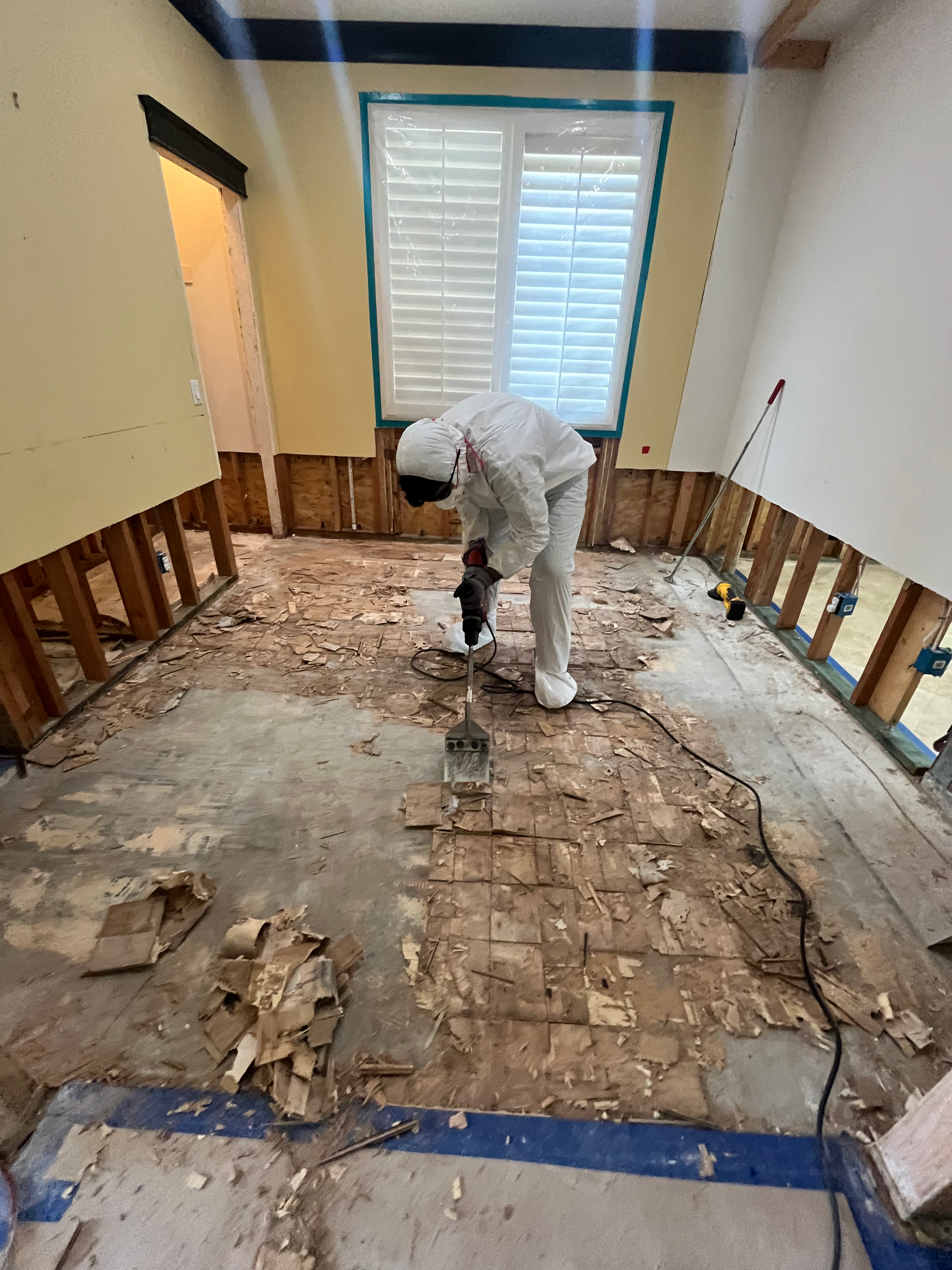
Insurance claim projects typically involve a longer and more extensive process due to additional documentation, damage assessments, communication with insurance adjusters, and approval requirements. These projects may require more coordination and multiple stages of work, depending on the extent of the damage and the insurance claim process. Project timelines vary based on the scope of work and any necessary approvals.
Self-Pay Projects
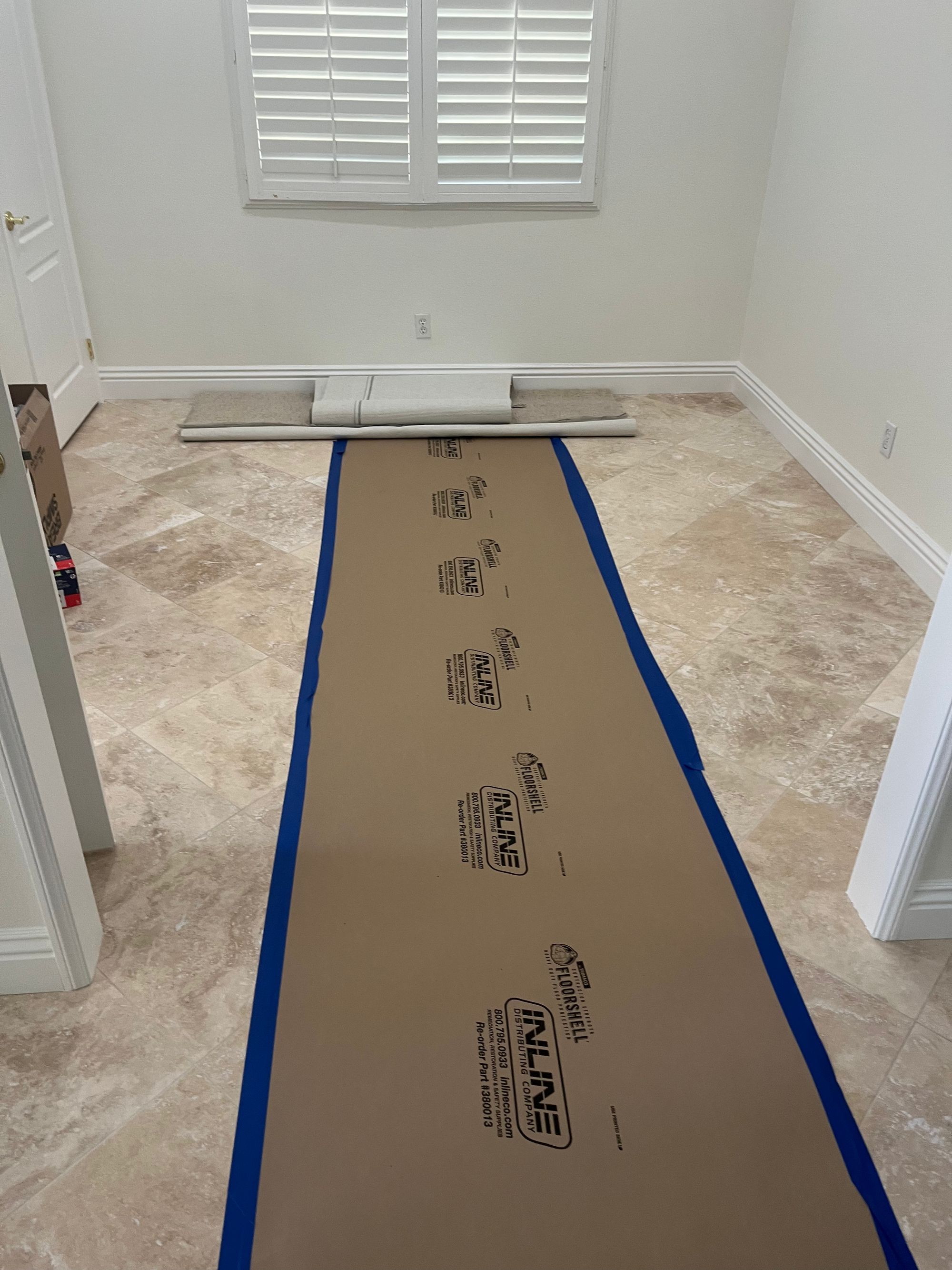
Self-pay projects often allow for a more direct and streamlined process, with fewer administrative steps and greater flexibility in scheduling and decision-making. Without the need to coordinate with an insurance company, work may be able to move forward more quickly. Project timelines depend on the extent of the damage, the scope of work, and the customer's approval.
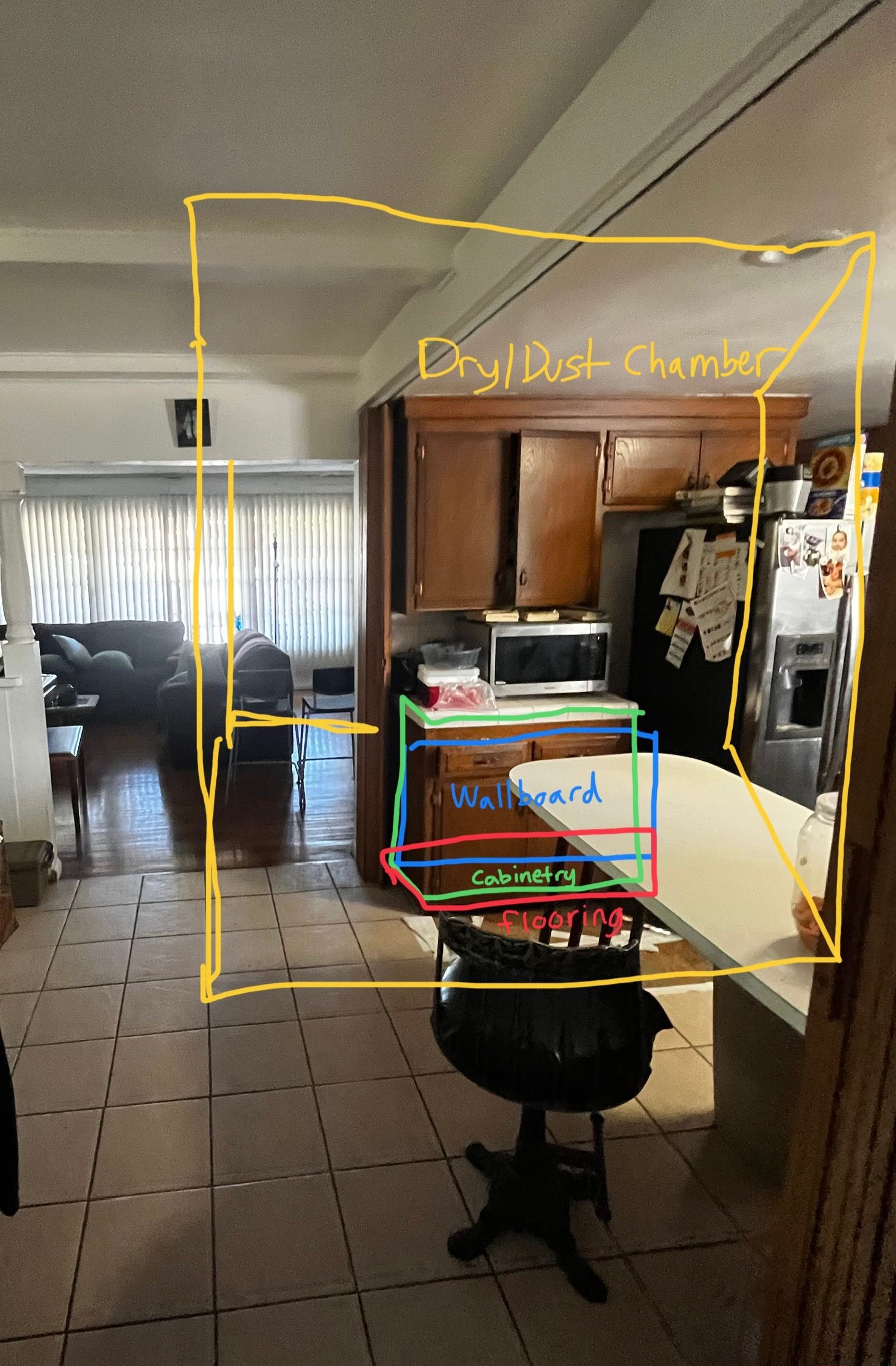
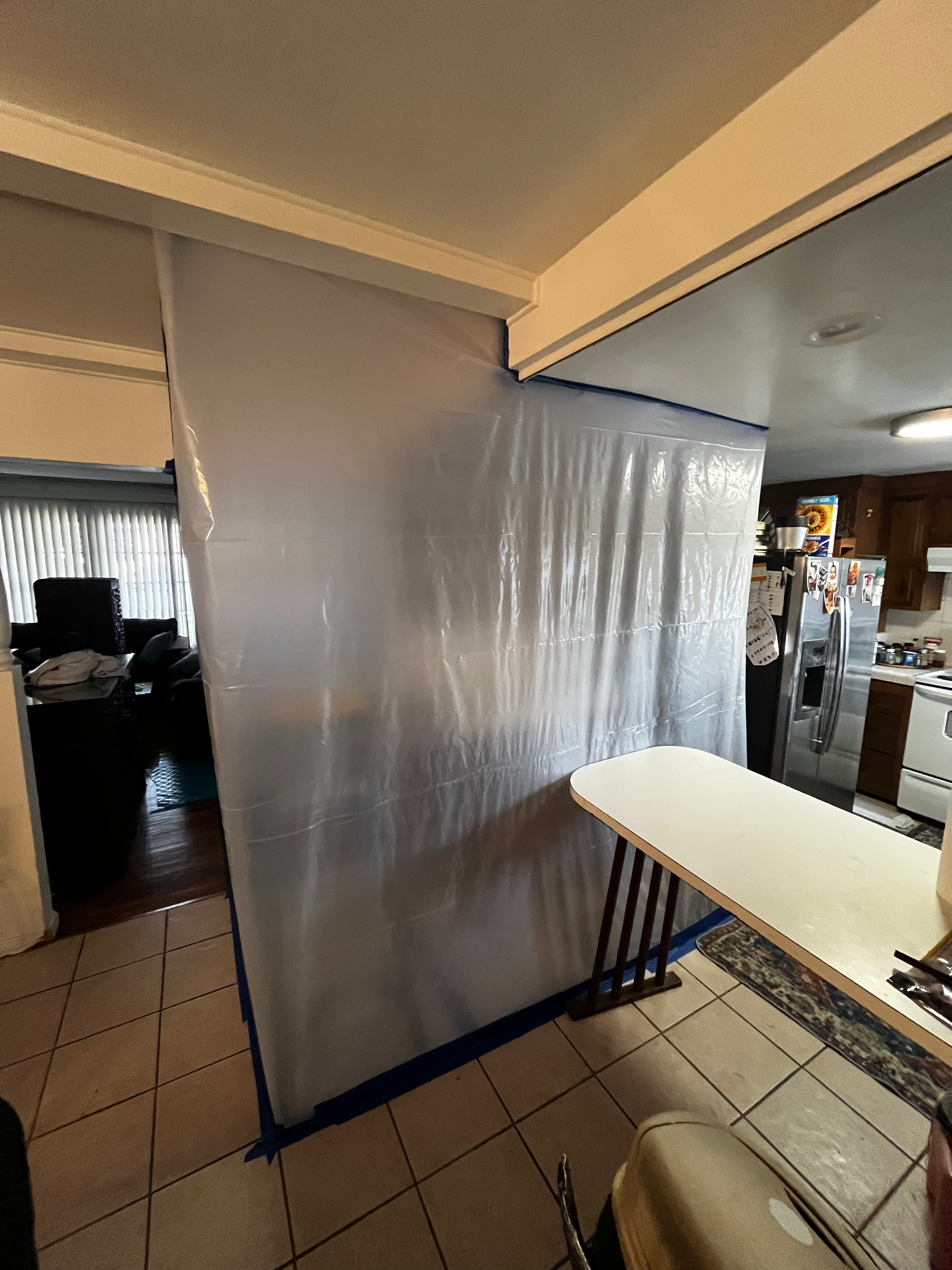
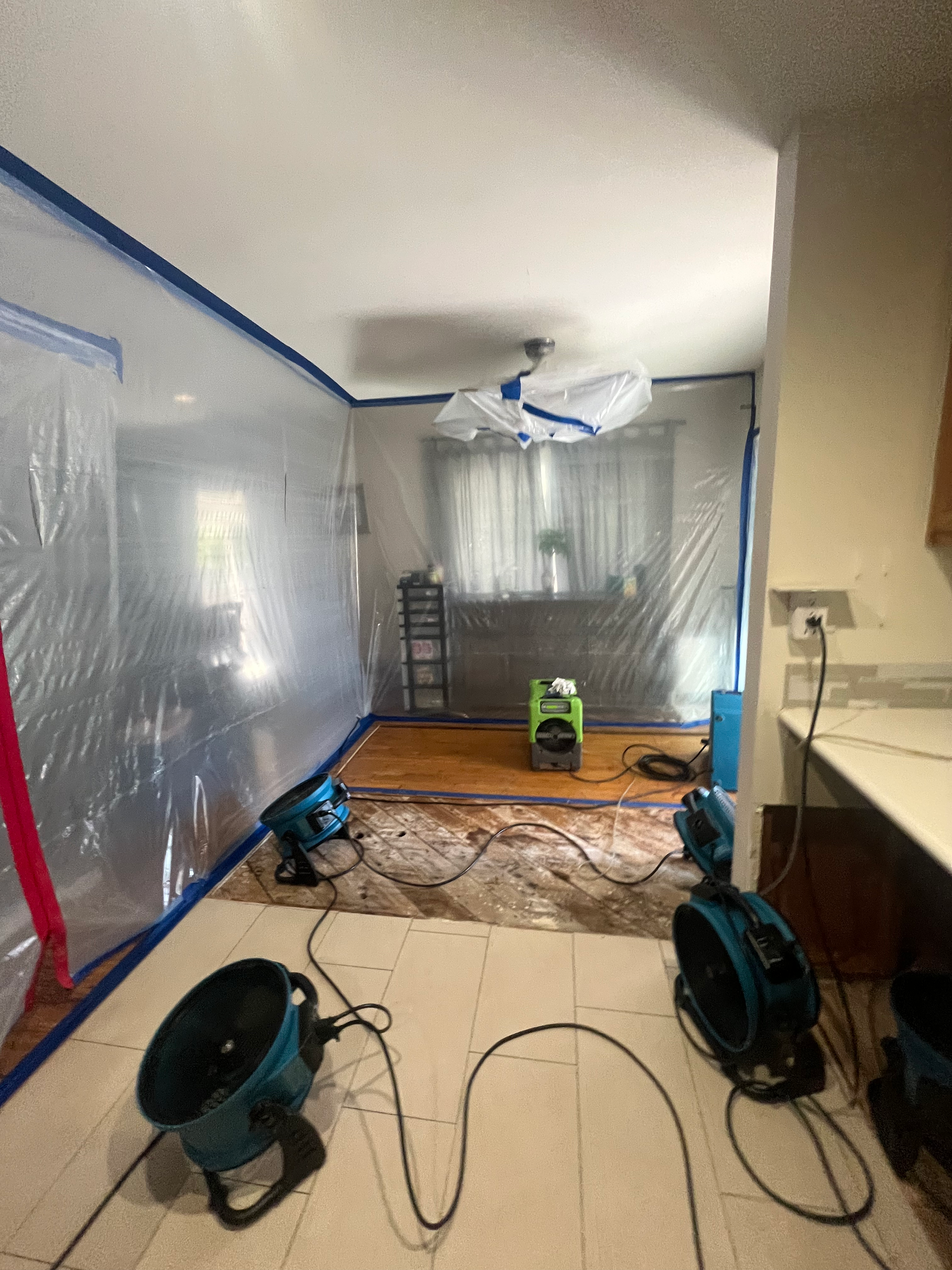
Dust/Drying Chambers
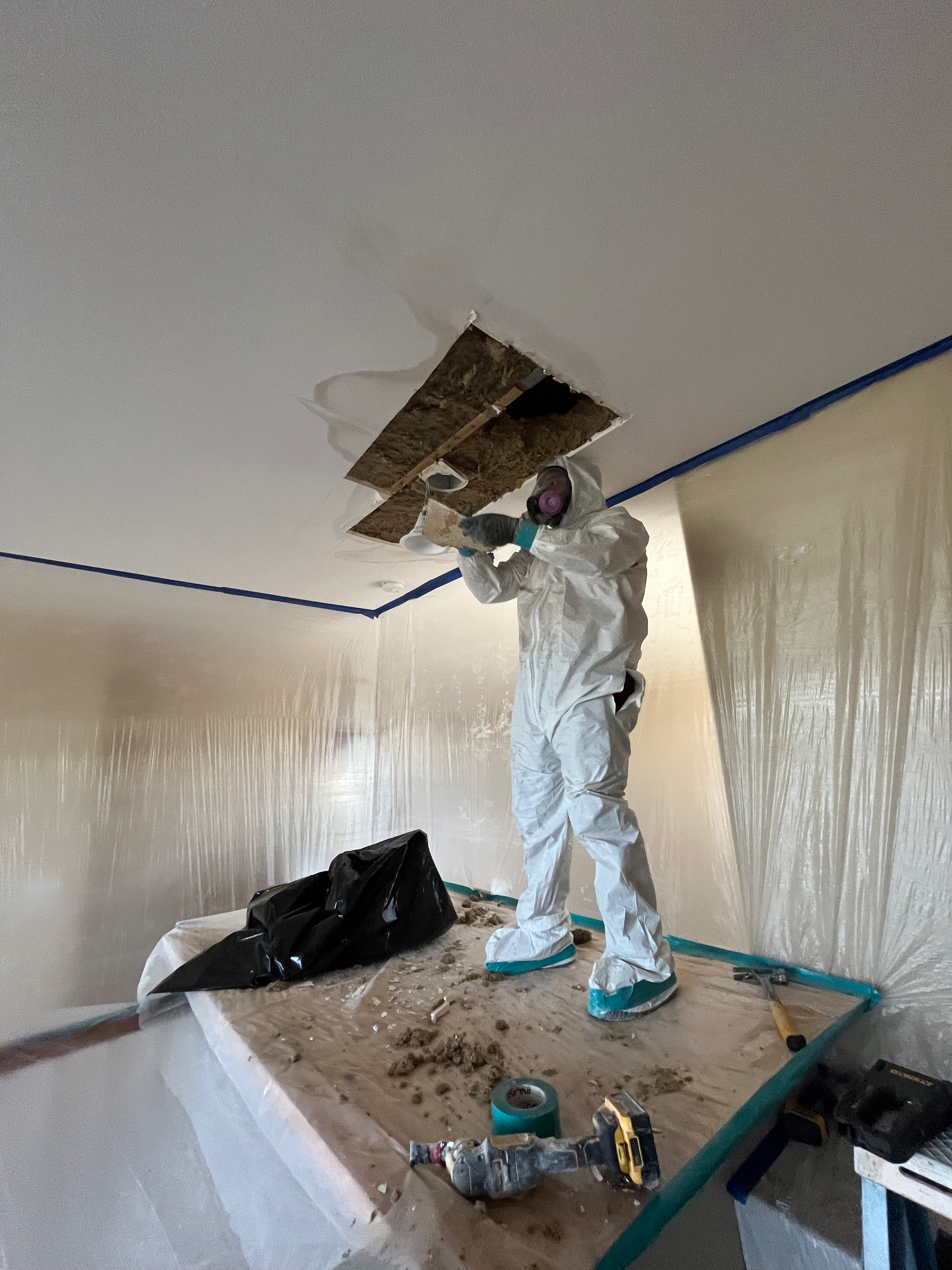
Use containment barriers to control dust measures to protect workers, occupants, and unaffected areas.
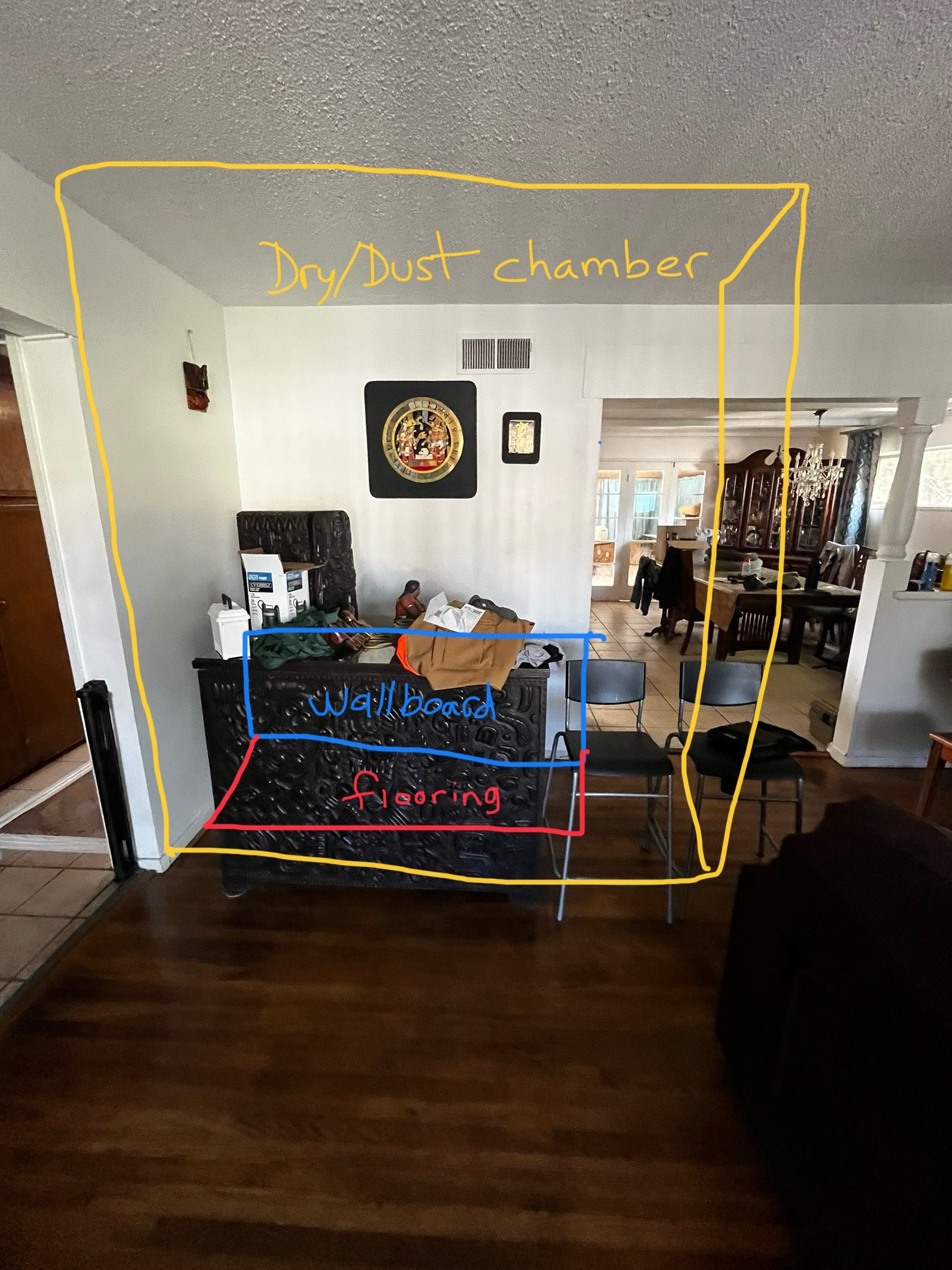
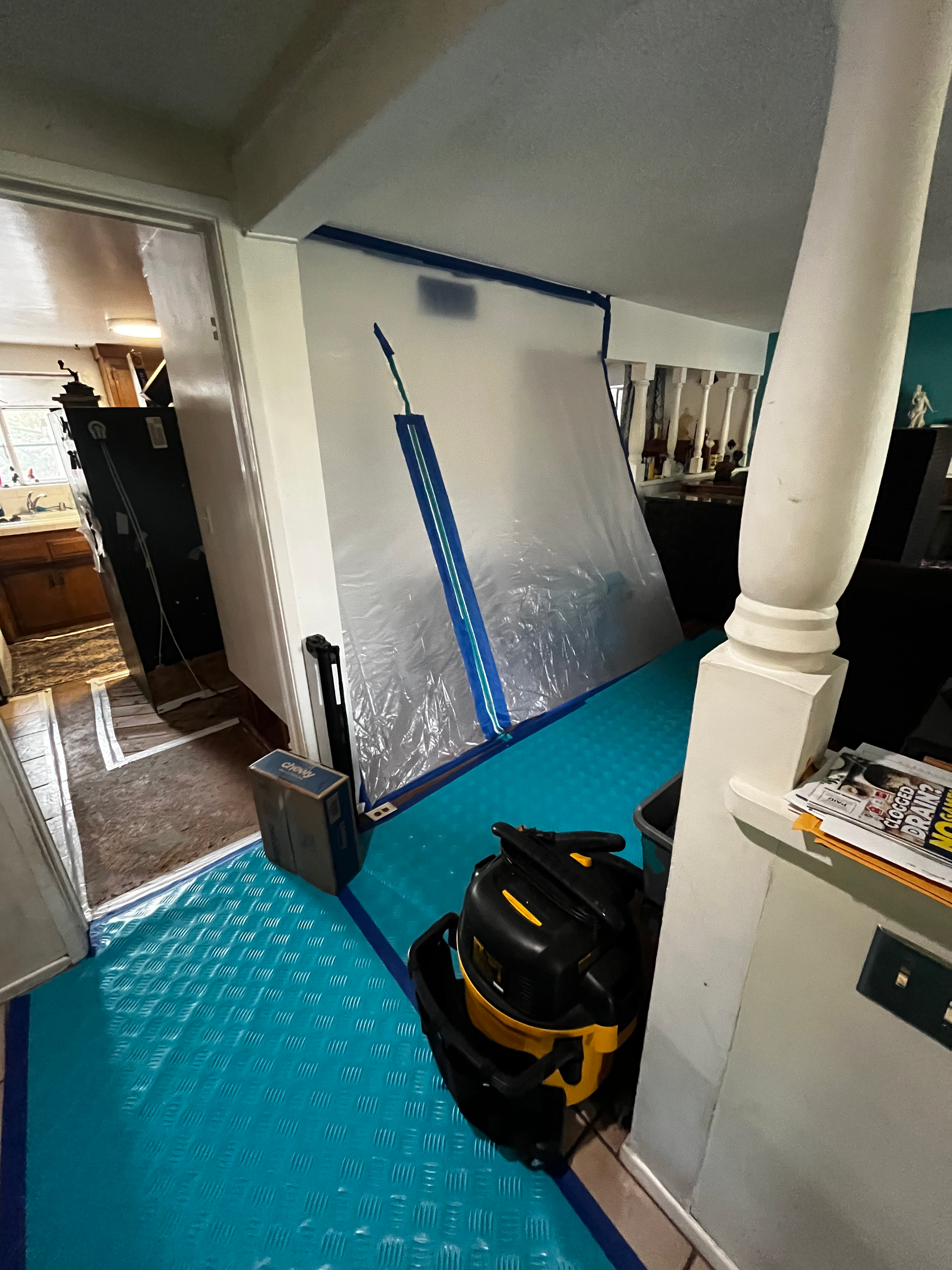
Dust/Drying Chambers
Use containment barriers to control dust measures to protect workers, occupants, and unaffected areas.
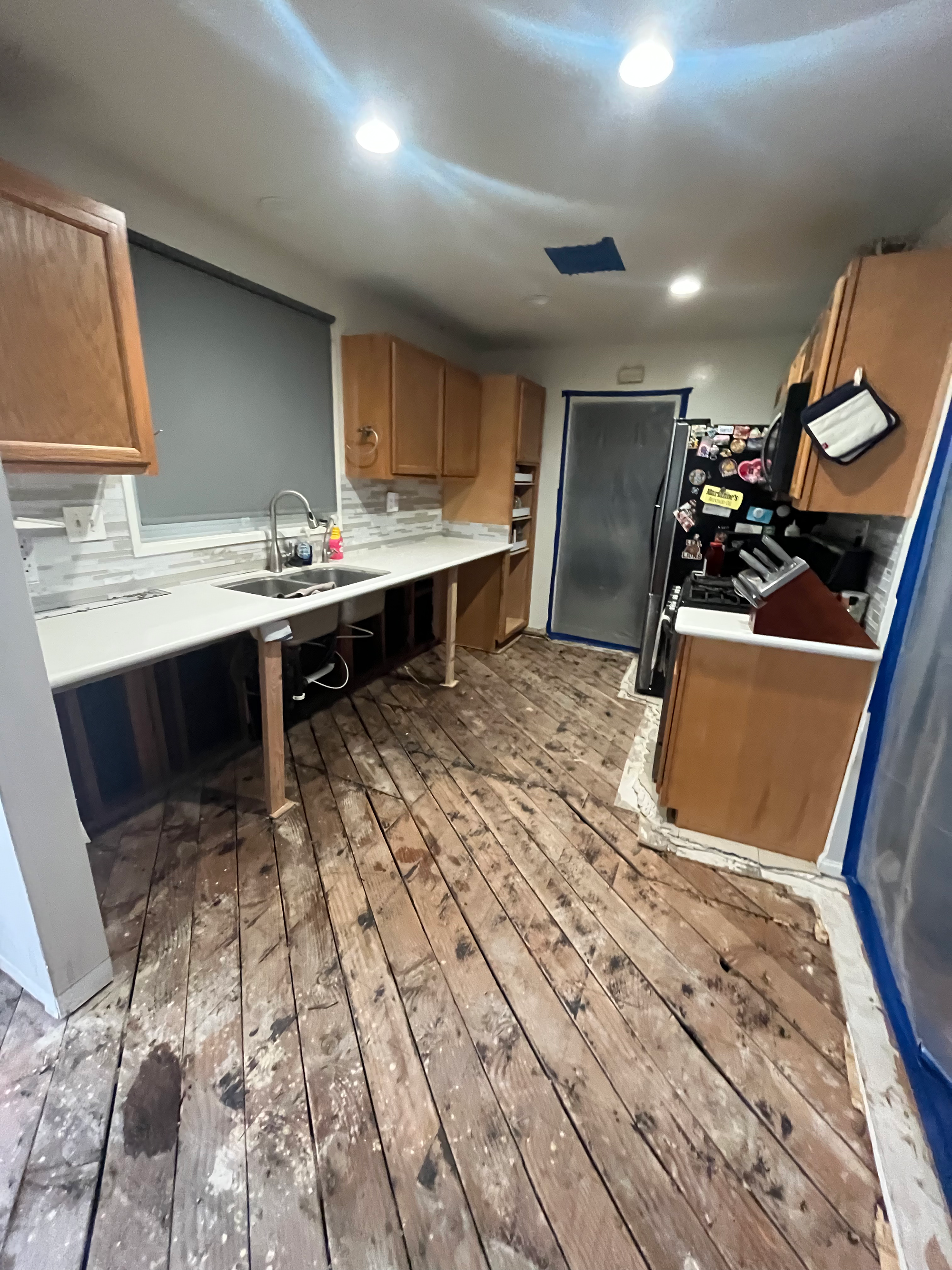
Removing Affected Materials
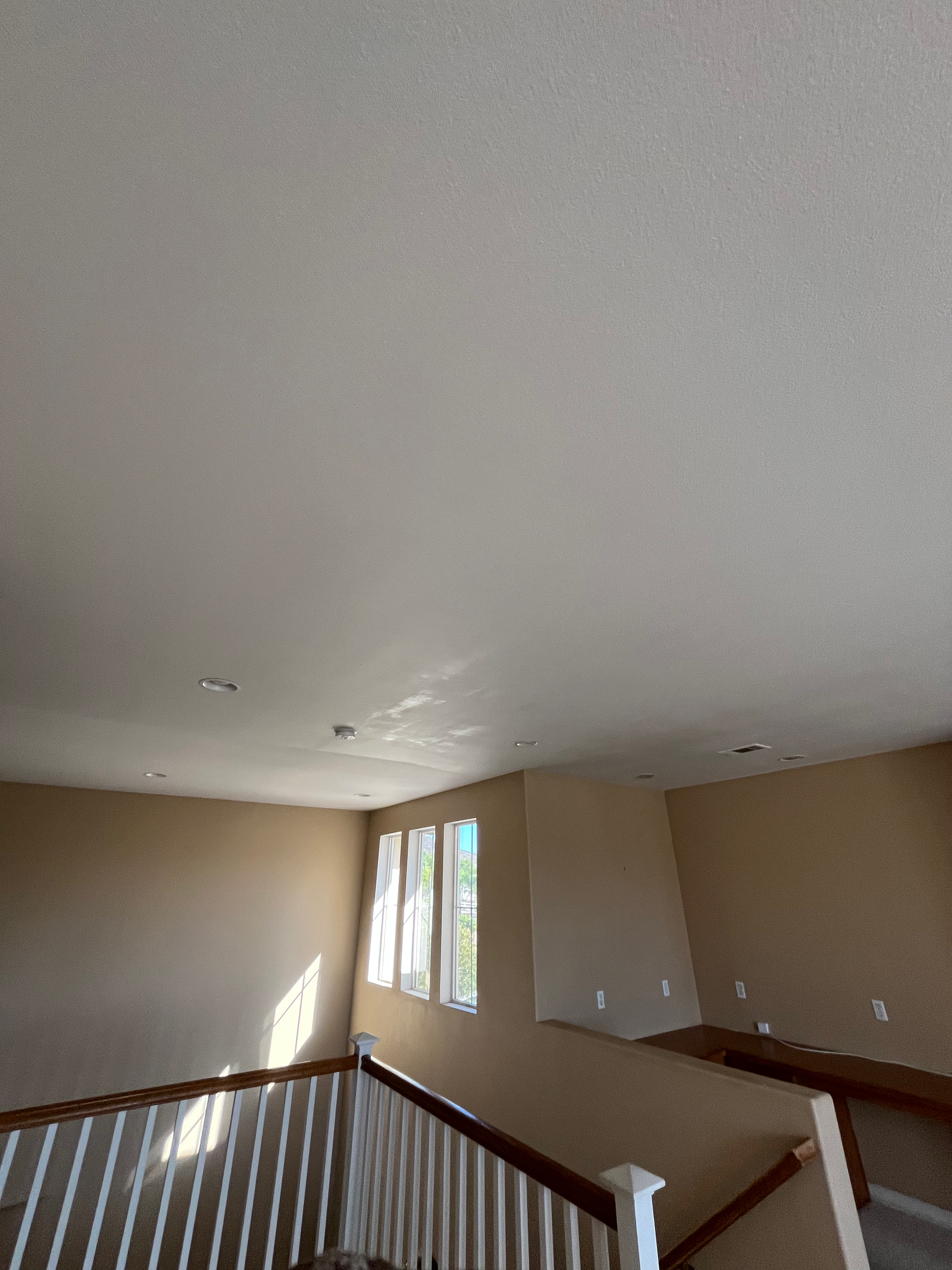
Removing water-damaged or mold-contaminated materials is essential because it eliminates materials that may be unable to be properly dried or cleaned. This helps prevent continued moisture retention, reduces the risk of mold growth and secondary damage, and allows the remaining structure to be properly cleaned, dried, and restored.
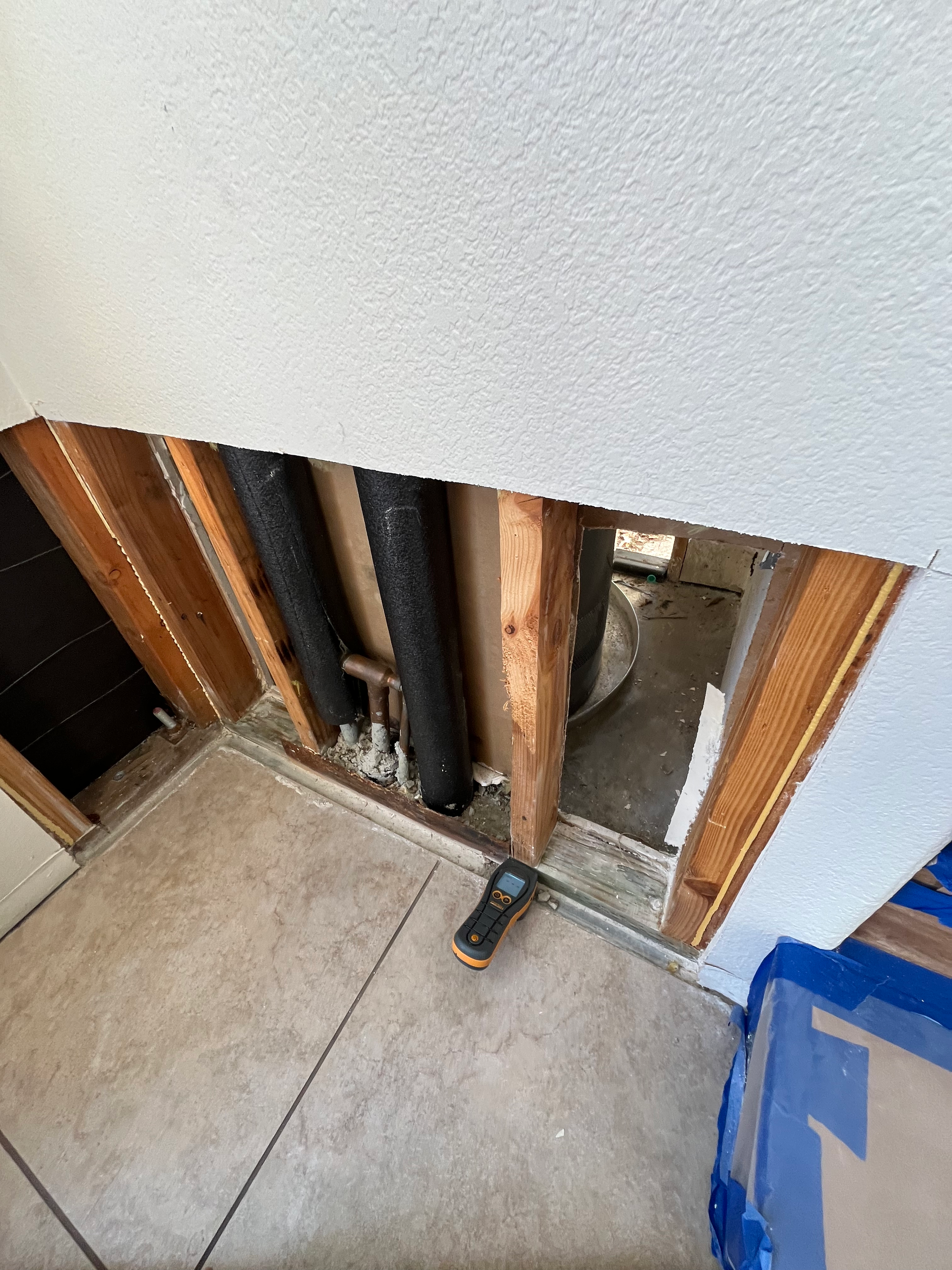
Drying Process
There is no one-size-fits-all drying method. A successful restoration contractor evaluates the affected materials, moisture depth, environmental conditions, and drying goals before selecting equipment. Air movers and dehumidifiers should be used strategically, and progress must be verified through documented moisture readings.
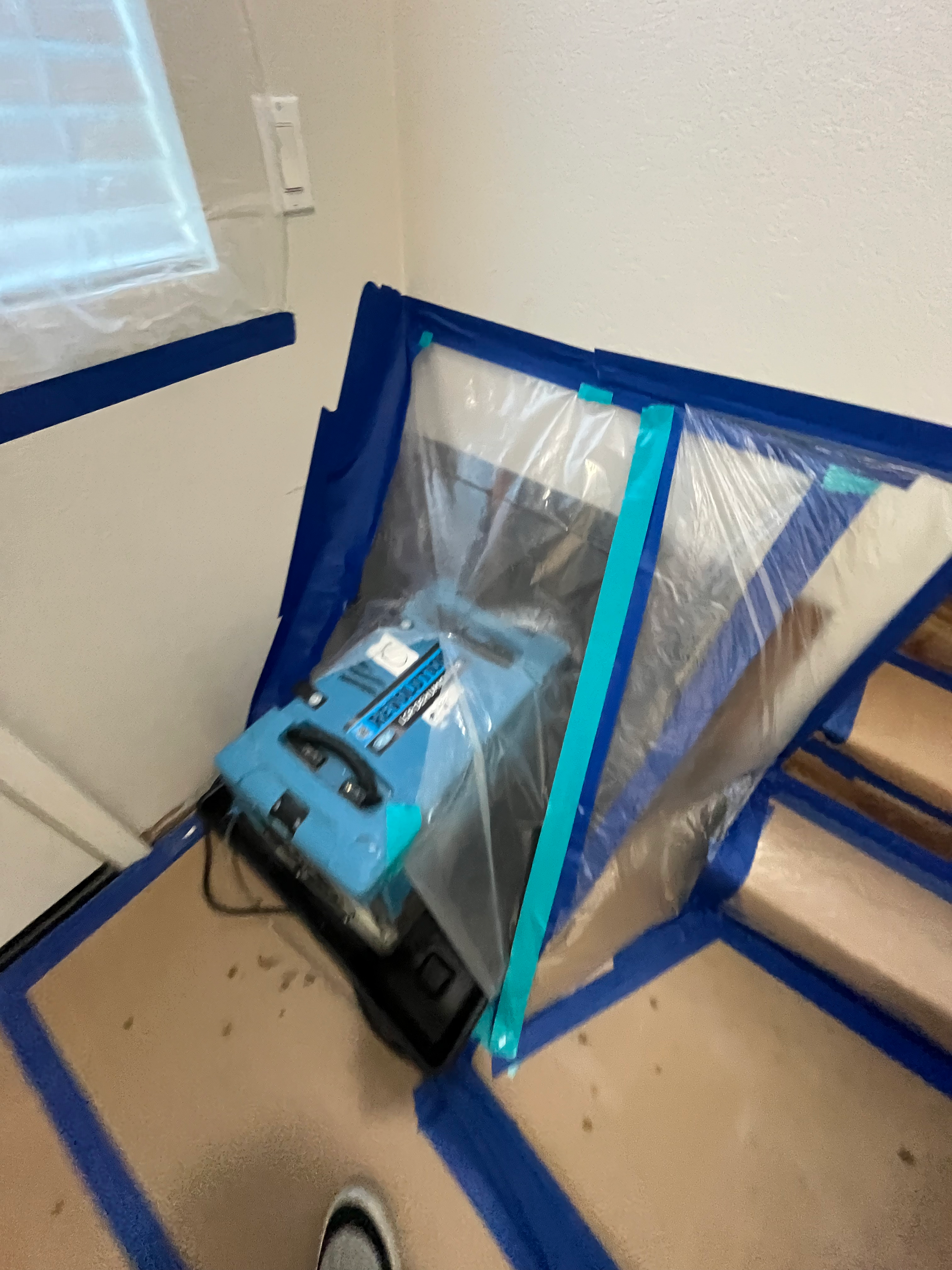
CONTROLLED ENVIRONMENTS
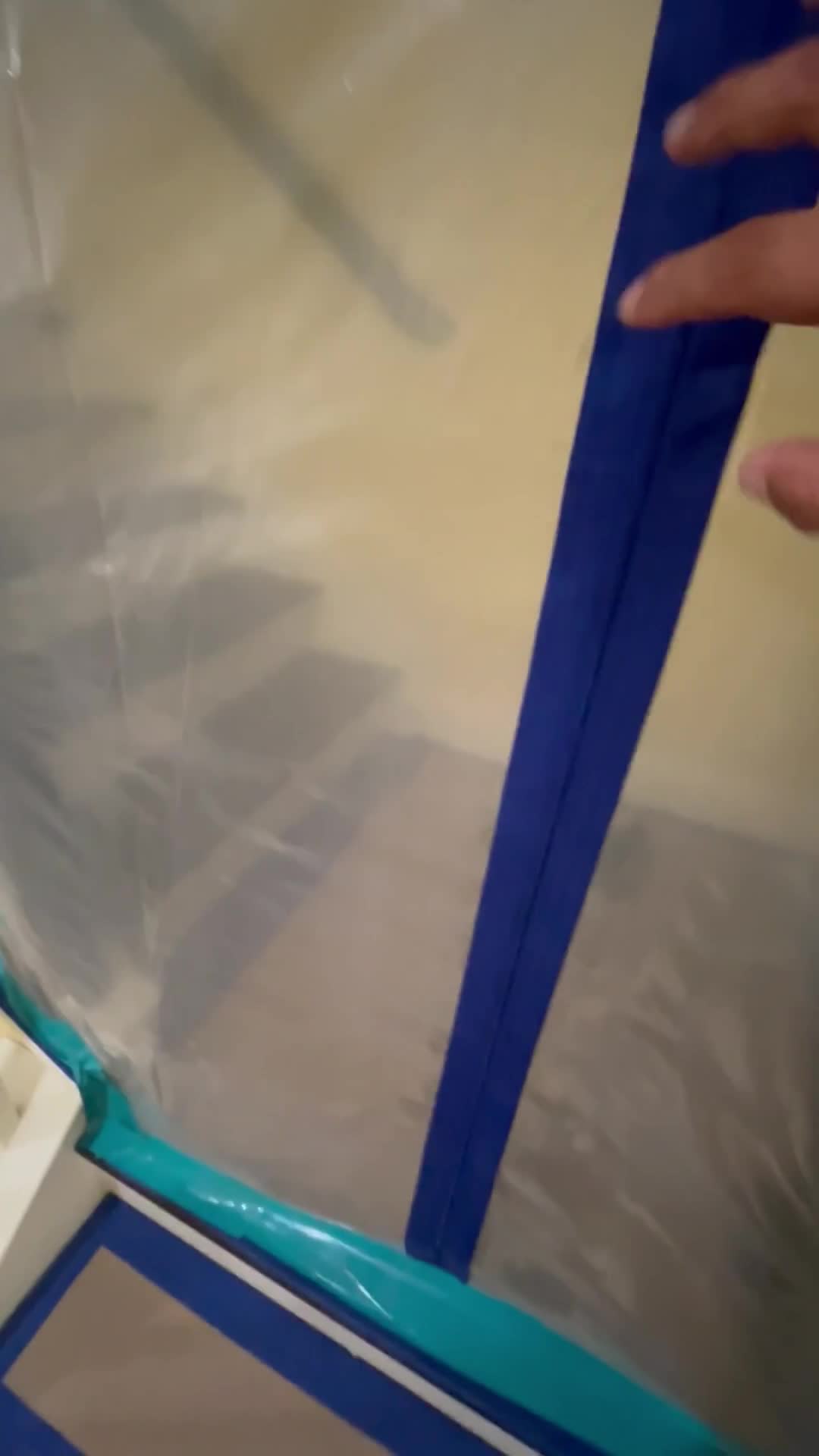
Negative air pressure is essential in many remediation projects because it helps prevent mold spores(if anny) and dust from spreading into unaffected areas of the property.
- 1. Prevents Cross-Contamination: Keeps airborne mold or dust particles from escaping the contained work area into clean spaces.
- 2. Controls Airflow: Pulls air from surrounding areas into the work zone rather than allowing air to flow outward.
- 3. Filters Airborne Particles: Uses HEPA-filtered negative air machines to capture mold spores and other airborne particles from exhausted air.
- 4. Protects Occupants: Helps reduce the potential for mold exposure or dust in adjacent rooms and occupied areas.
- 5. Supports Proper Containment: Maintains controlled airflow while technicians remove affected materials and clean affected surfaces.
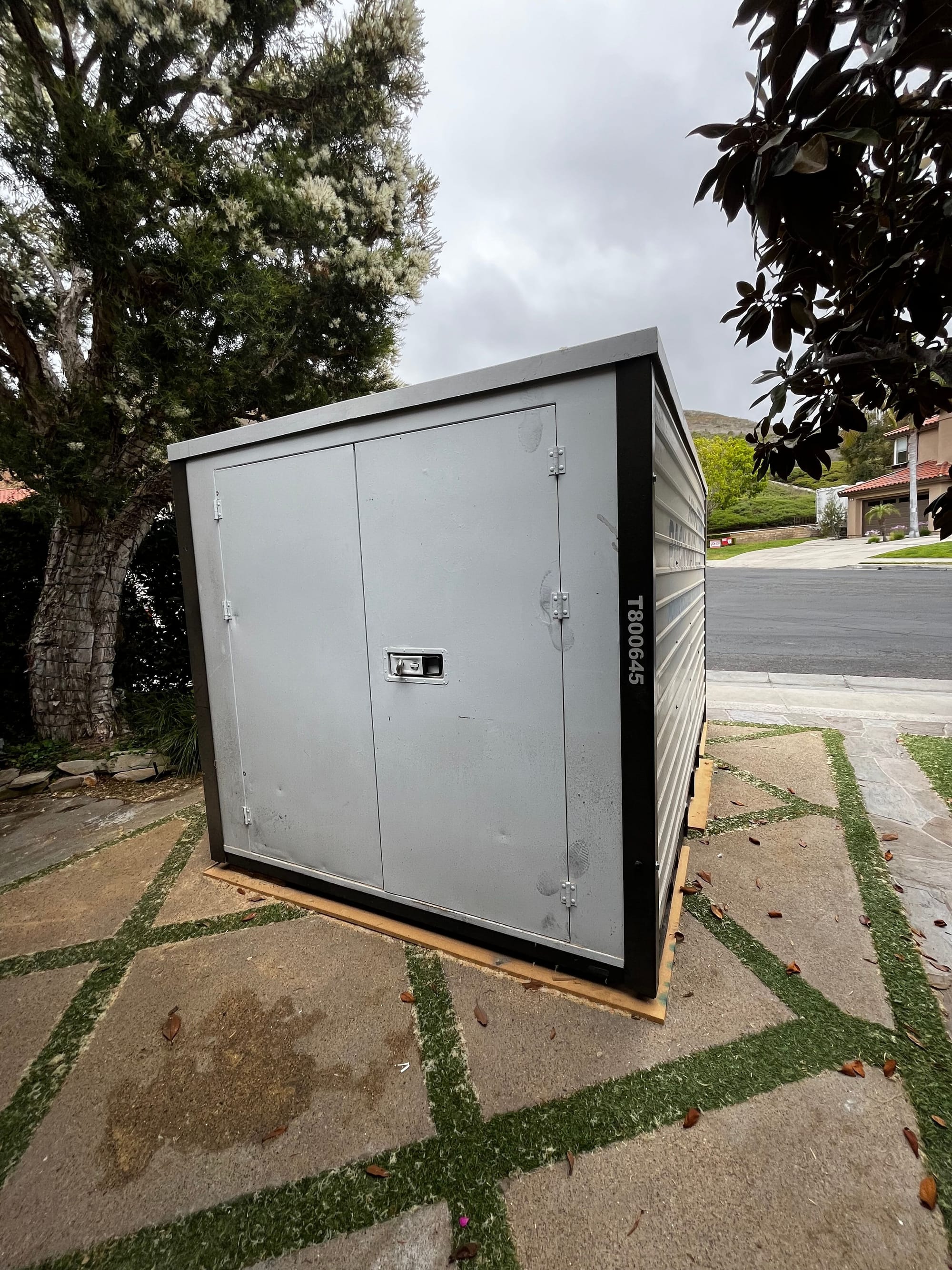
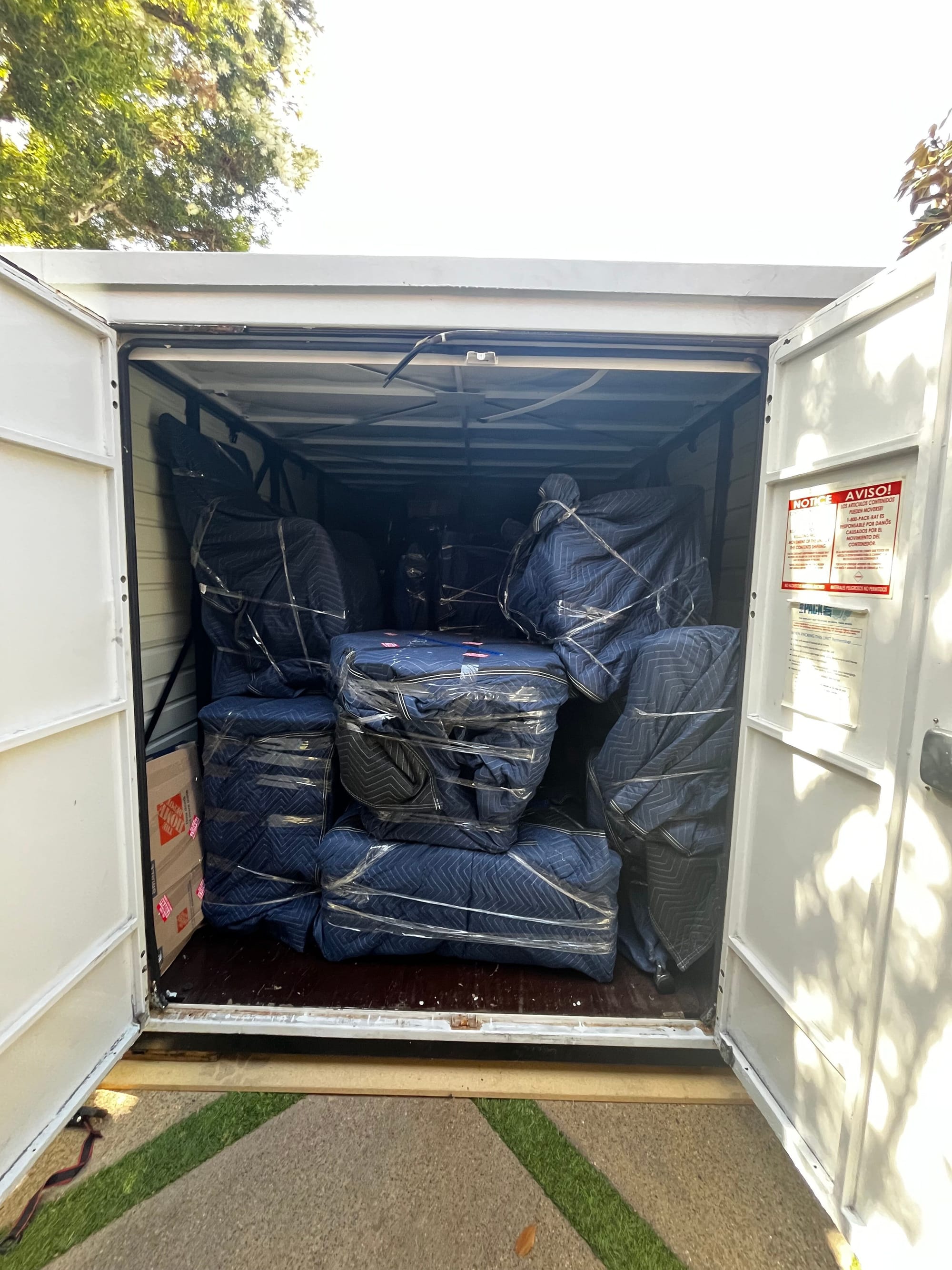
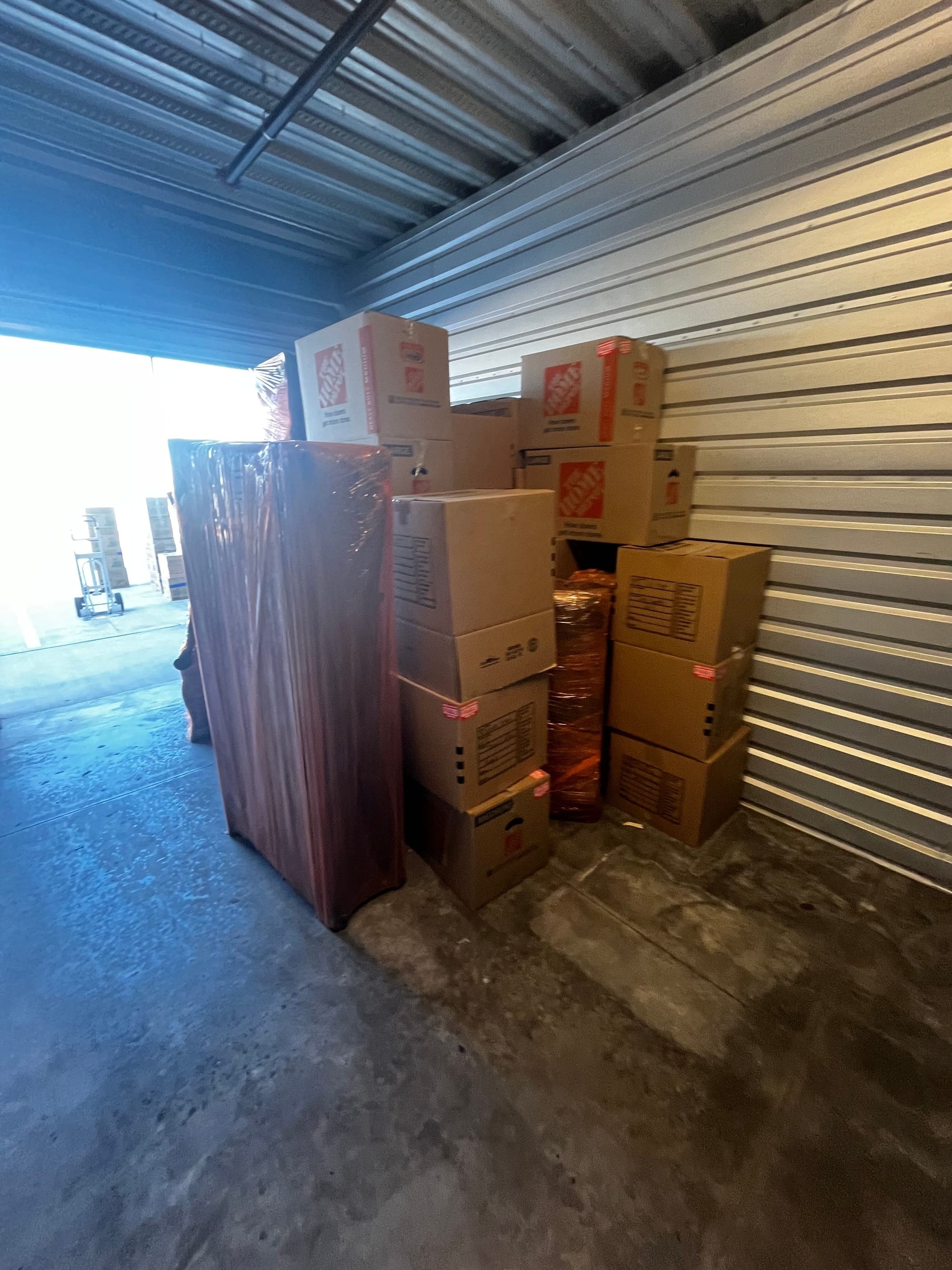
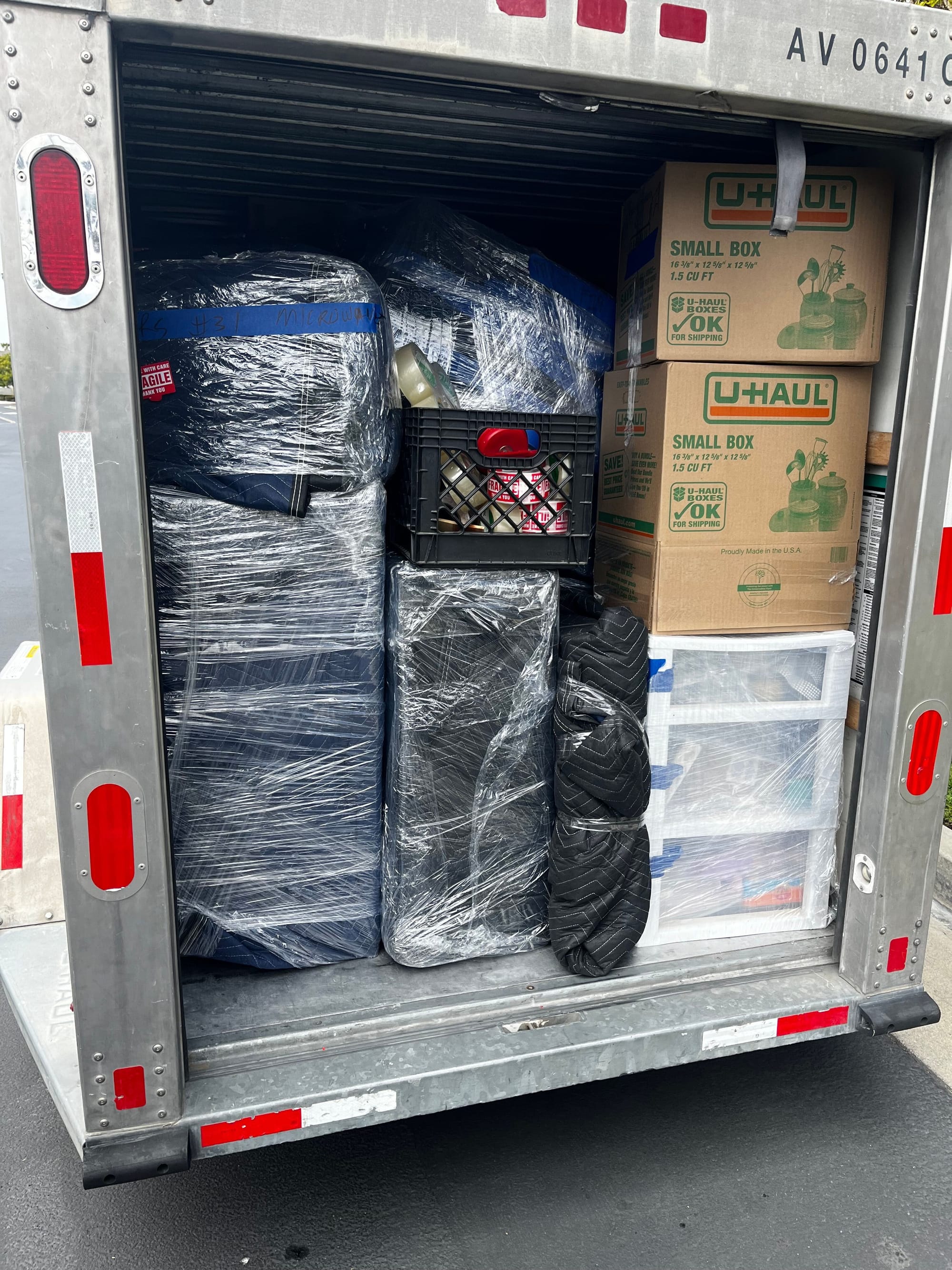
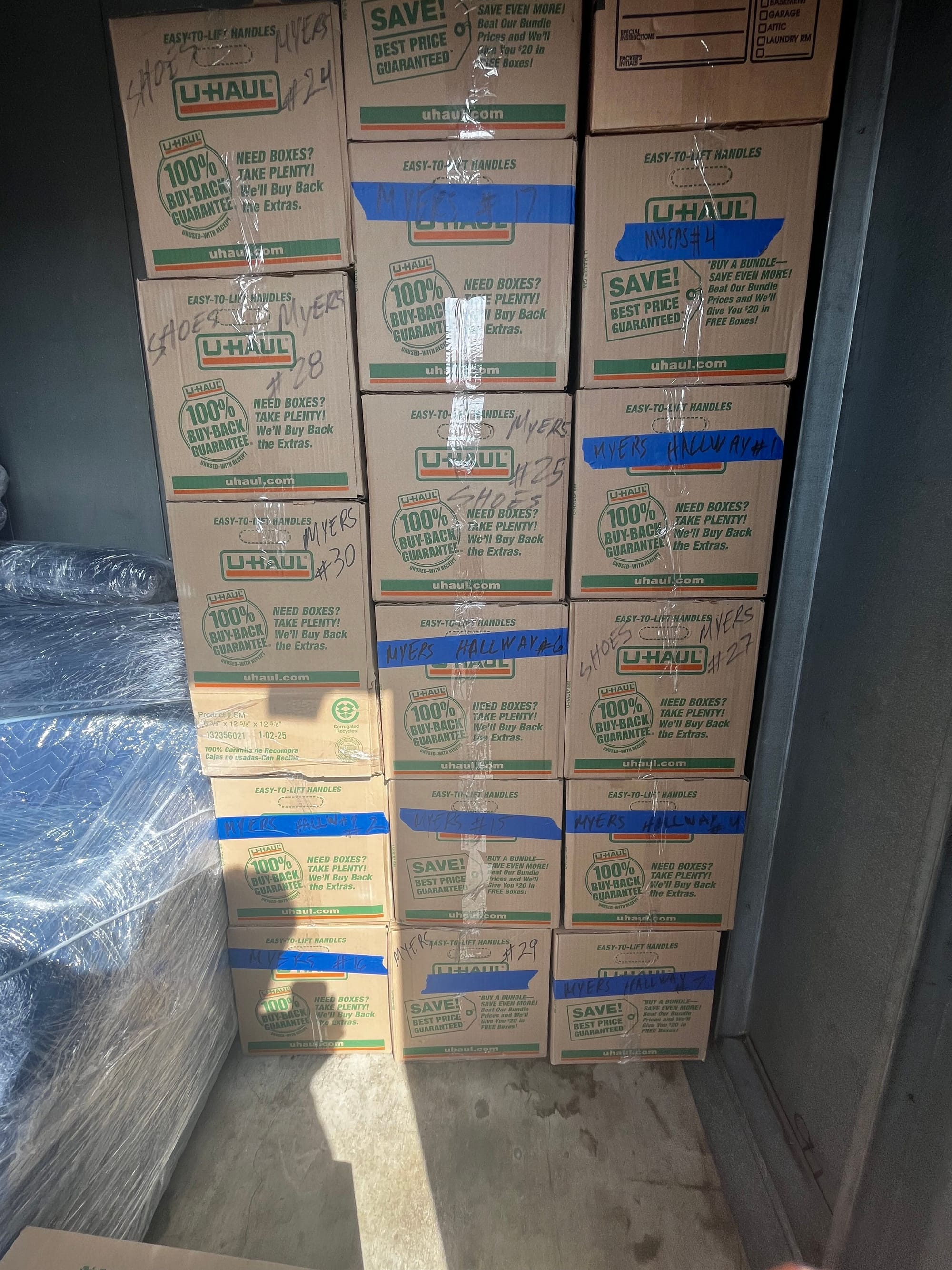
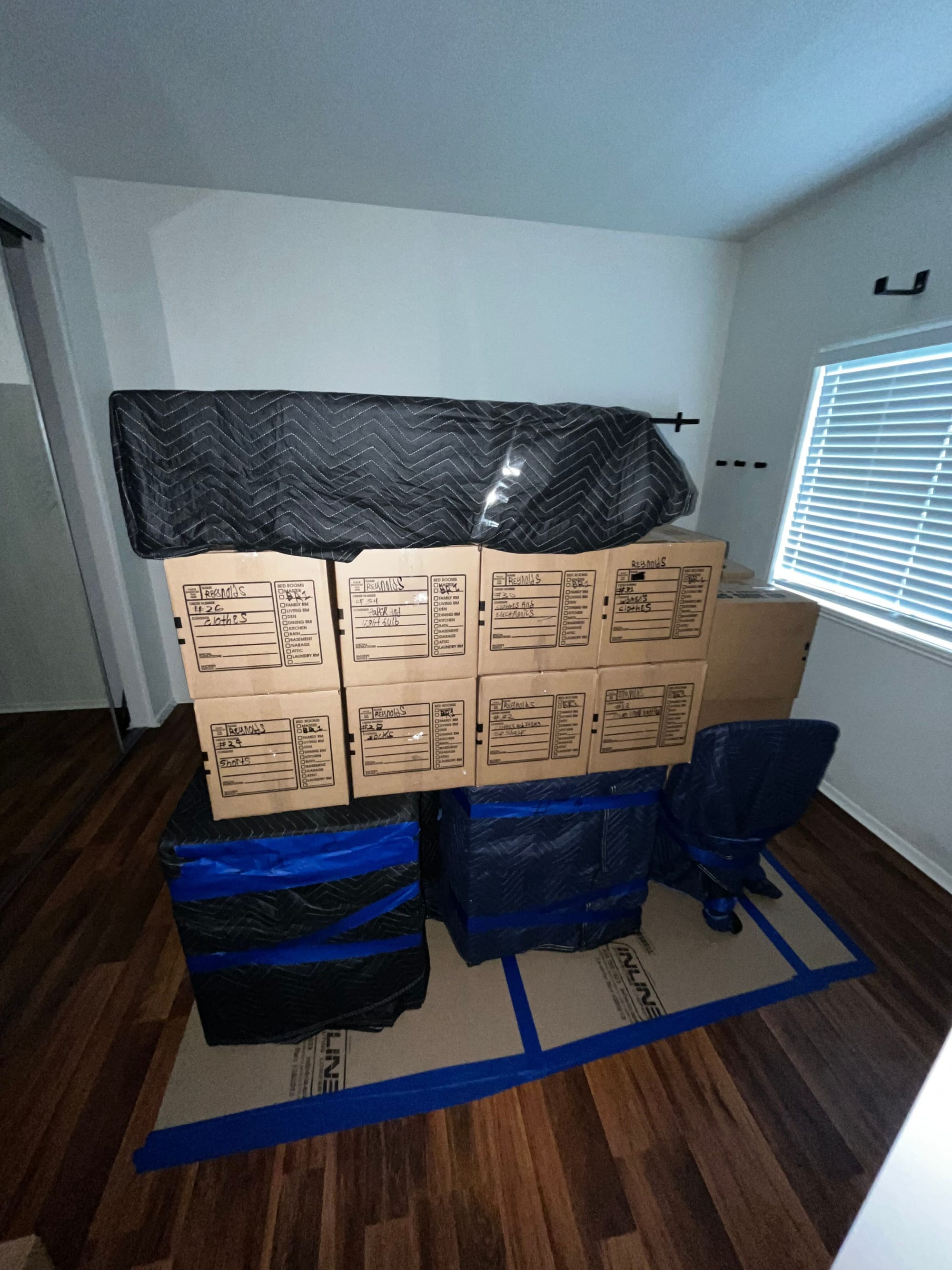
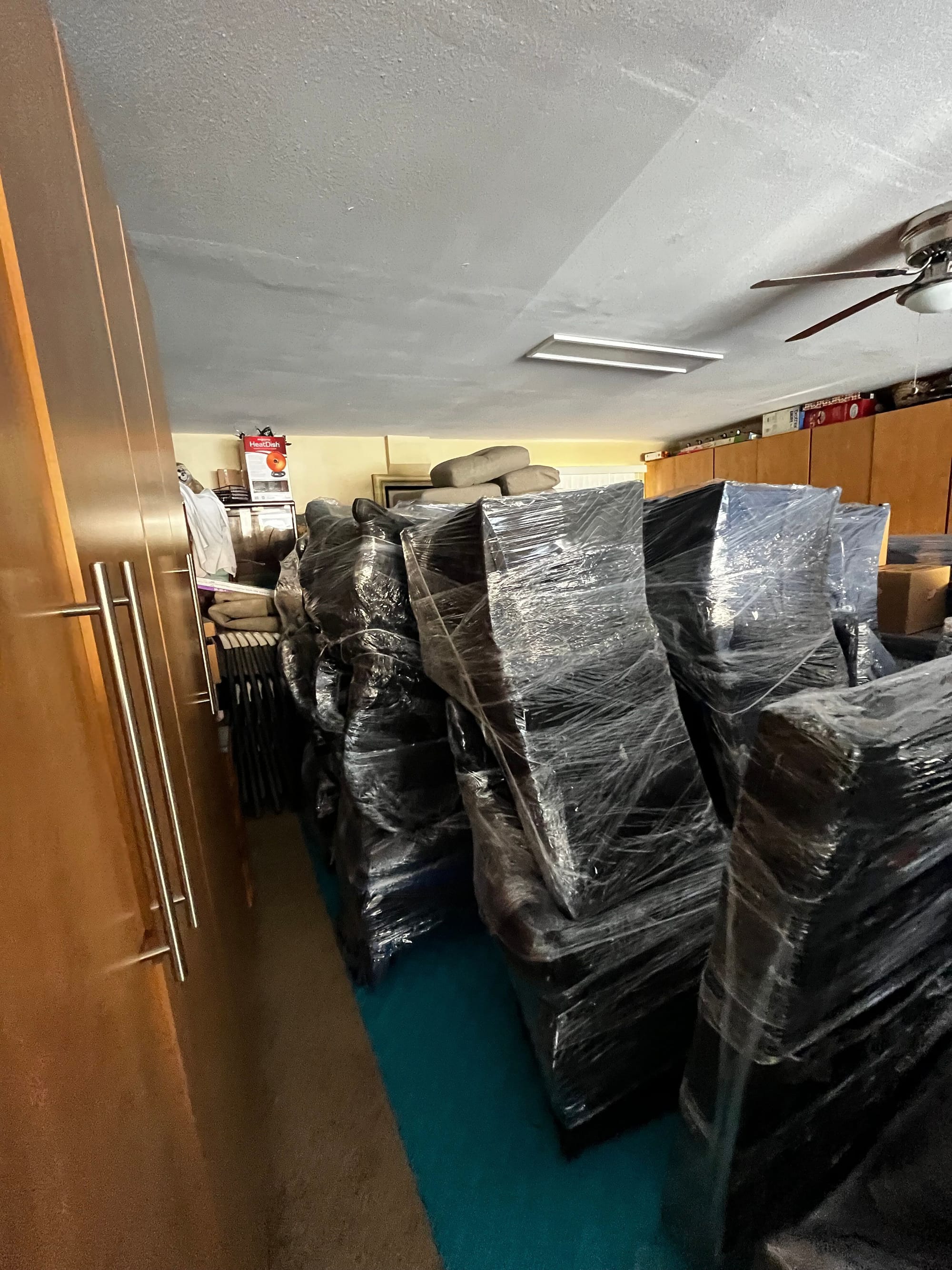
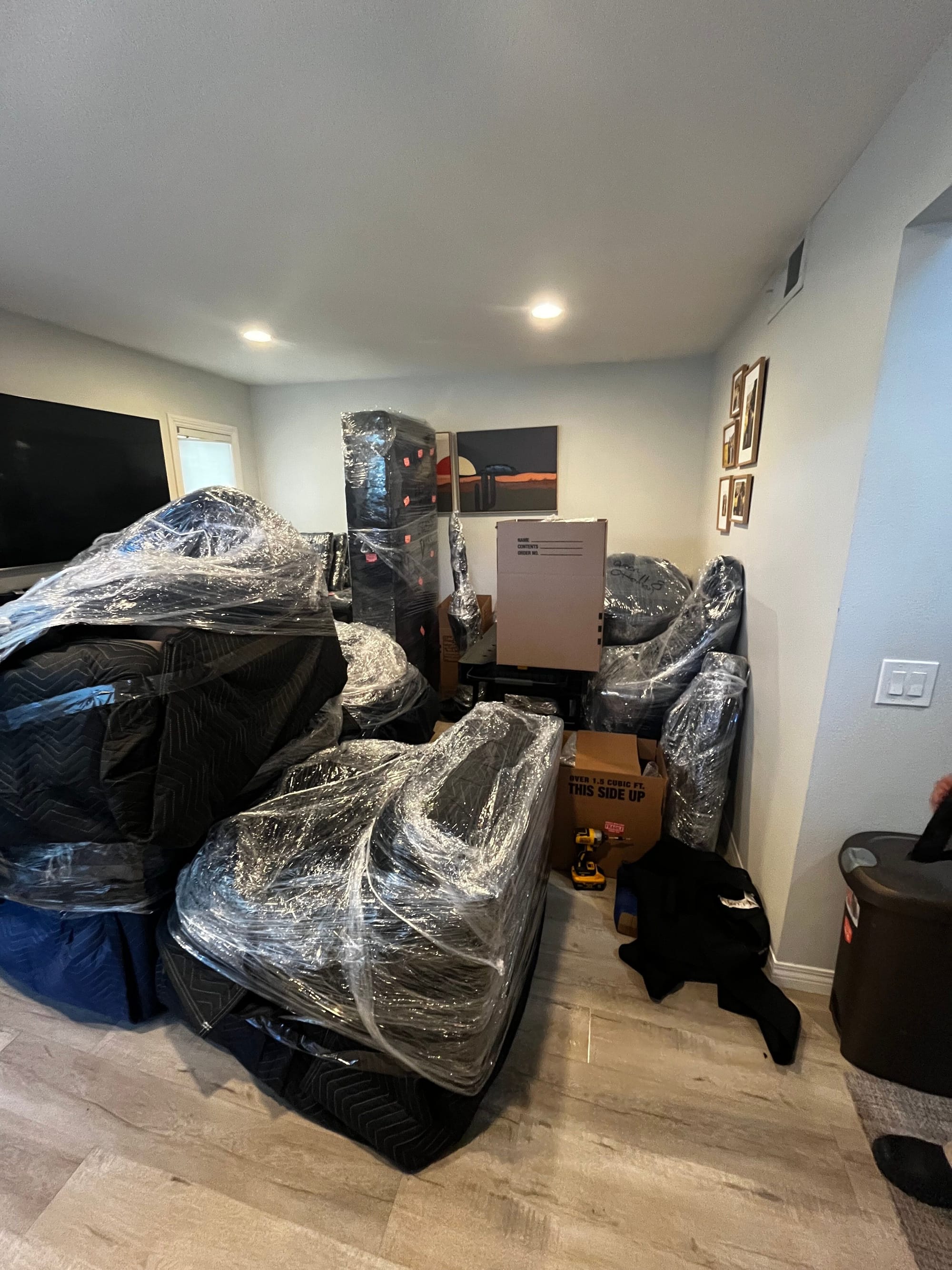
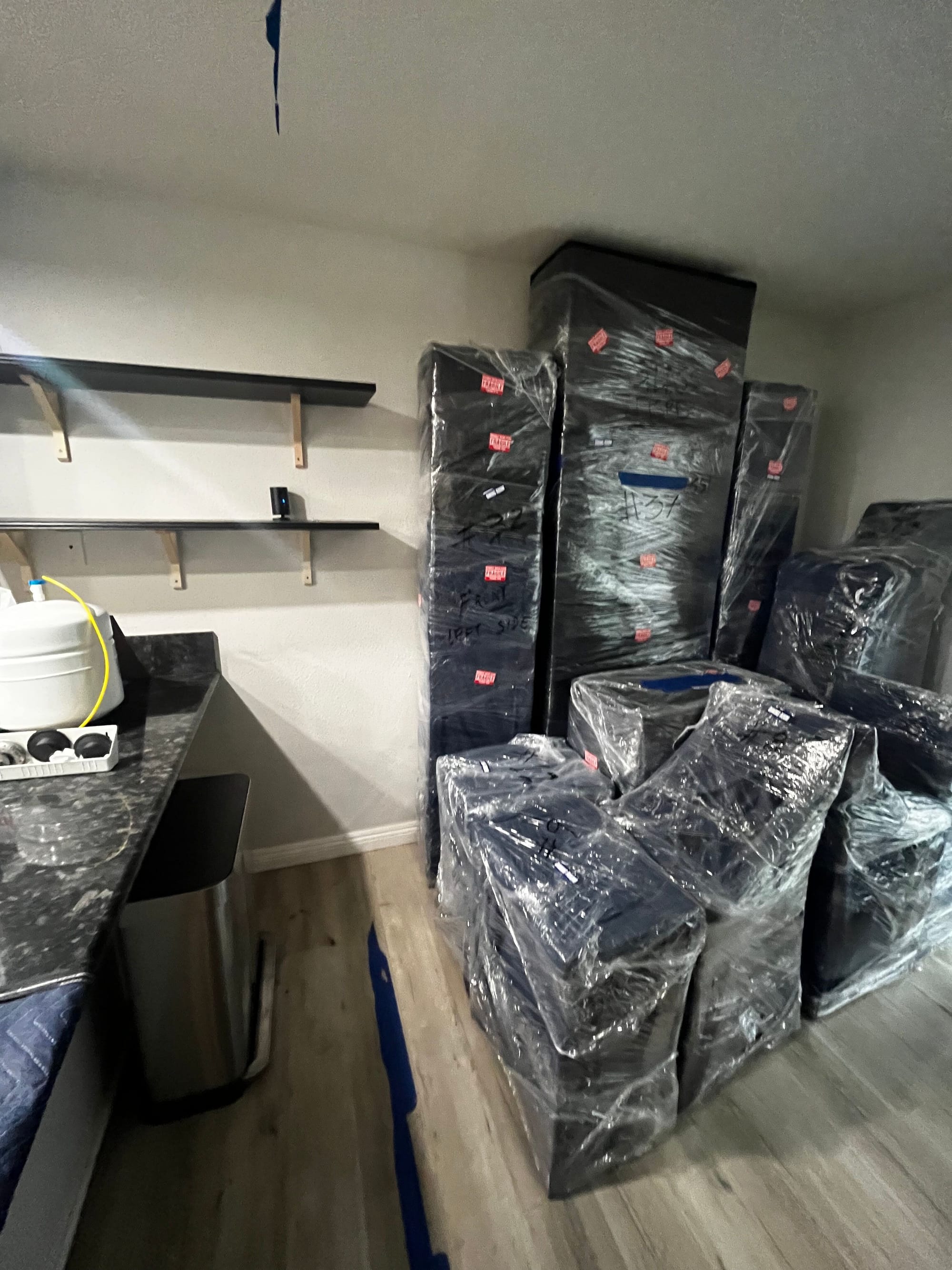
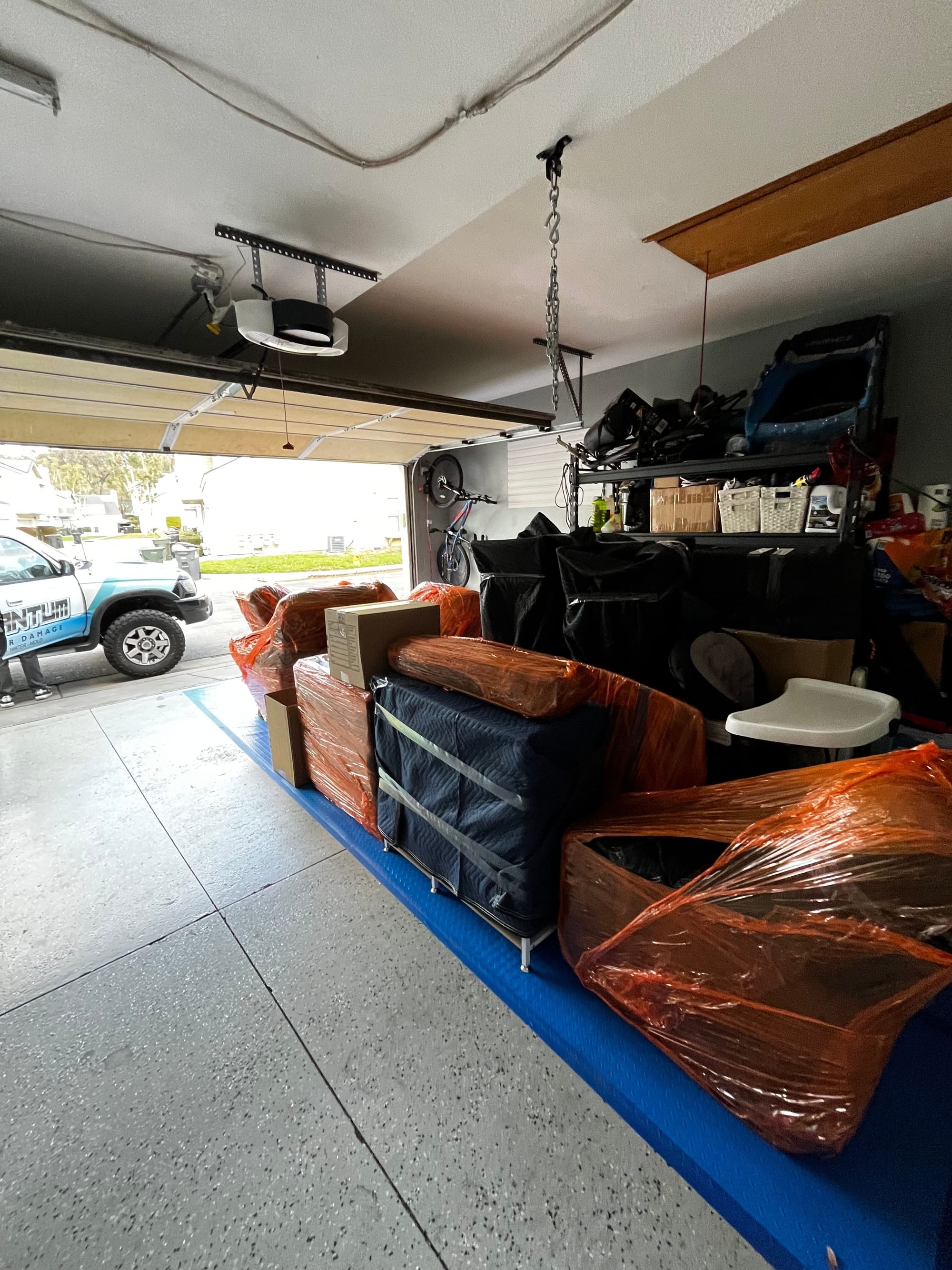
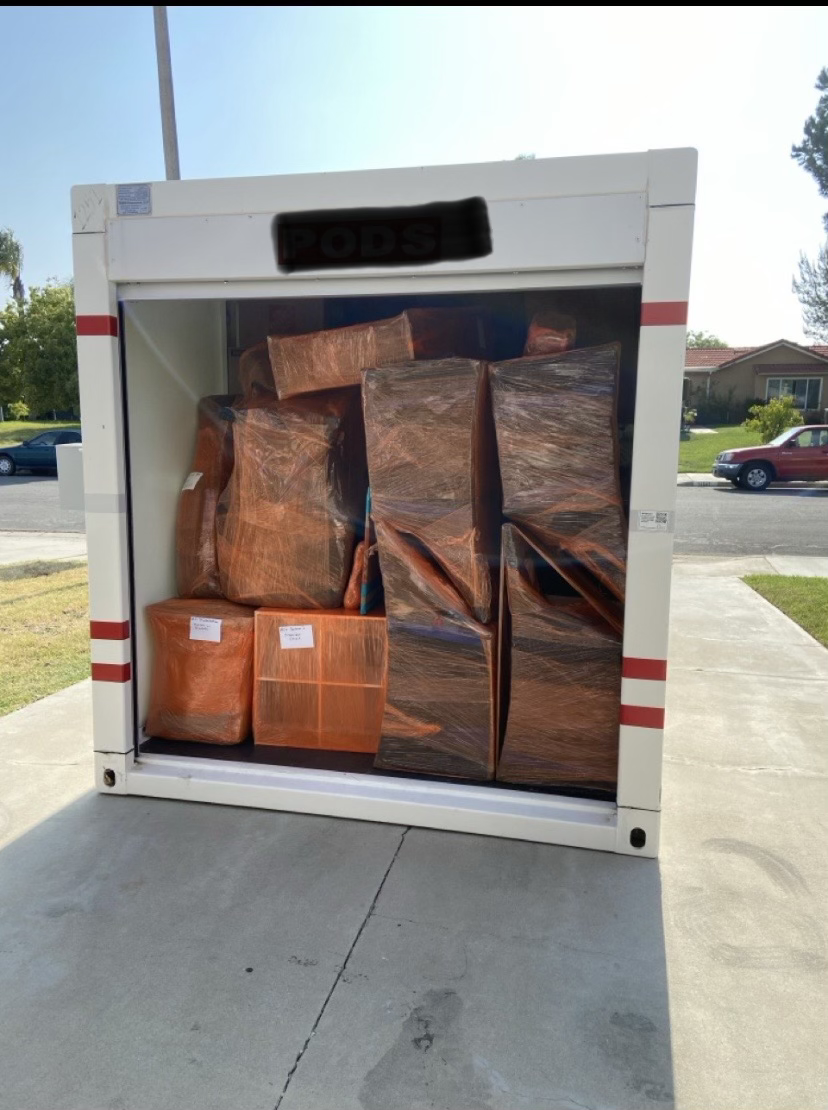
On-site Storage
SCHEDULE YOUR ASSESSMENT TODAY
Concerned About Mold or Water Damage? Have you noticed water stains, musty odors, visible mold, or signs of a leak in your home or business? Don’t wait until the damage gets worse. At Quantum Water Damage, we provide professional water damage assessments to help identify affected areas, evaluate the extent of the damage, and investigate potential sources of leaks or water intrusion. What Does Our Assessment Include? Our comprehensive water damage assessment may include: * Moisture Readings: Measuring moisture levels in affected building materials to identify areas of concern. * Psychrometric Readings: Evaluating temperature, relative humidity, and other environmental conditions that affect the drying process. * Infrared Imaging: Identifying temperature variations that may indicate hidden moisture or potential water intrusion. * Borescope Inspection: Using a specialized inspection camera to examine concealed or hard-to-reach areas where accessible, helping investigate potential hidden moisture or water damage. * Photo Documentation: Documenting visible conditions and assessment findings to help you understand the extent of the potential damage. Our goal is to help identify potential problems, investigate the source of water intrusion, and provide you with a clearer understanding of your property’s condition and the recommended next steps. Your property deserves a thorough assessment—not guesswork. Let Quantum Water Damage help you make informed decisions to protect your home or business. Book Your Water Damage Assessment Today! Professional service. Thorough documentation. Honest recommendations.
- Service Length: 03:00 Hours
- Price:$385